Get Free Consultation!
We are ready to answer right now! Sign up for a free consultation.
I consent to the processing of personal data and agree with the user agreement and privacy policy

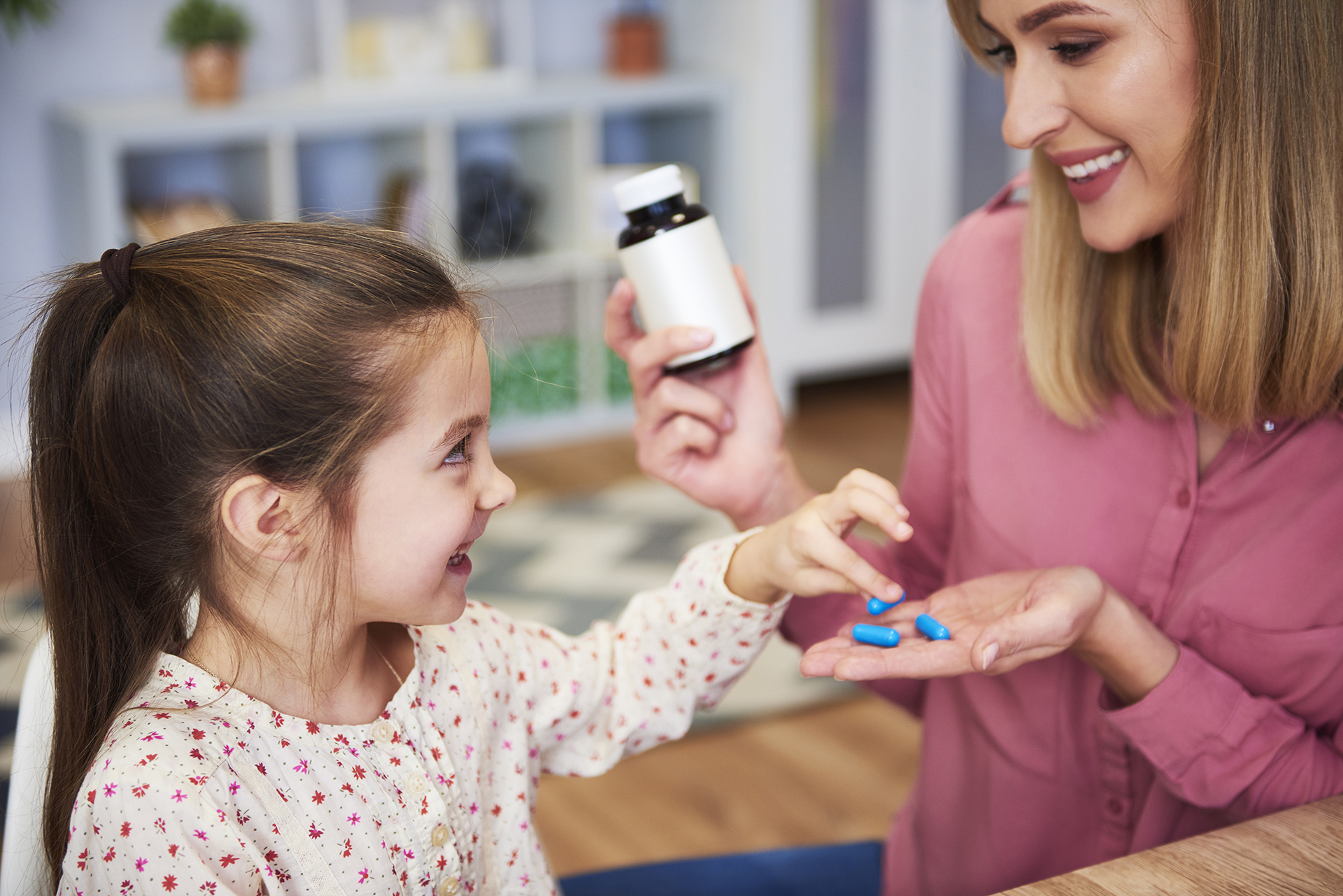
Iron is a vital mineral your body needs to carry oxygen, support energy production, boost immunity, and aid in brain development. A shortage of iron can cause fatigue, mental fog, and even anemia. At the same time, excessive intake—especially from supplements—can lead to harmful side effects. In this guide, we’ll cover everything you need to know about iron: how much you need, where to get it, when to supplement, and how to stay in the healthy range.
Iron is a key part of hemoglobin (which carries oxygen in your red blood cells) and myoglobin (which stores oxygen in muscles). It also plays roles in enzyme activity, brain development, hormone production, and immune health. Although the body stores iron efficiently, we need to get enough from our diet to avoid deficiencies.
The amount of iron you need each day depends on your age, sex, and whether you’re pregnant or breastfeeding. The chart below shows the recommended amounts:
| Age Group | Males (mg/day) | Females (mg/day) | Pregnancy (mg/day) | Lactation (mg/day) |
|---|---|---|---|---|
| 0–6 months | 0.27* | 0.27* | — | — |
| 7–12 months | 11 | 11 | — | — |
| 1–3 years | 7 | 7 | — | — |
| 4–8 years | 10 | 10 | — | — |
| 9–13 years | 8 | 8 | — | — |
| 14–18 years | 11 | 15 | 27 | 10 |
| 19–50 years | 8 | 18 | 27 | 9 |
| 51+ years | 8 | 8 | — | — |
*For infants, this is an Adequate Intake (AI), not an RDA.
Vegetarians may need up to 80% more iron due to lower absorption of plant-based (non-heme) iron.
Iron comes in two forms: heme iron (from animal products) and non-heme iron (from plants). Heme iron is more easily absorbed, but combining plant-based iron with vitamin C (like citrus or bell peppers) can significantly increase absorption.
Here are some top dietary sources of iron:
| Food Item | Iron (mg) | % Daily Value (DV) |
|---|---|---|
| Fortified breakfast cereal (1 c) | 18 | 100% |
| Cooked oysters (3 oz) | 8 | 44% |
| White beans (1 cup) | 8 | 44% |
| Beef liver (3 oz) | 5 | 28% |
| Cooked lentils (½ cup) | 3 | 17% |
| Cooked spinach (½ cup) | 3 | 17% |
| Firm tofu (½ cup) | 3 | 17% |
| Dark chocolate (1 oz) | 2 | 11% |
| Kidney beans (½ cup) | 2 | 11% |
| Braised beef (3 oz) | 2 | 11% |
If your iron levels are low, supplements can help—but they’re not without risks. Common iron supplements include ferrous sulfate, ferrous fumarate, and ferrous gluconate. Newer types like carbonyl iron or heme-iron polypeptides are easier on the stomach.
Most multivitamins contain 18 mg of iron.
Doses over 45 mg may cause nausea, constipation, and dark stools.
Best absorbed on an empty stomach with vitamin C.
Avoid taking iron with calcium or certain medications (like thyroid pills or antibiotics).
Always check with your doctor before starting supplements.
Although many people get enough iron, certain groups are more vulnerable to low levels:
Infants older than 6 months (especially if breastfed without iron-fortified foods)
Children and teens in growth spurts
Women with heavy menstrual cycles
Pregnant women (who need more blood volume)
People with digestive disorders (like Crohn’s or celiac)
Frequent blood donors
Those with chronic illnesses (heart failure, cancer, kidney disease)
Iron deficiency develops in stages. At first, the body depletes iron stores. Over time, red blood cell production slows, leading to iron-deficiency anemia. Symptoms include:
Constant fatigue
Weakness
Poor focus and memory
Cold hands and feet
Brittle nails
Pica (craving ice or clay)
In pregnant individuals, iron deficiency can lead to low birth weight or premature delivery. In young children, it may impair cognitive development.
Yes. While food sources are unlikely to cause harm, taking high-dose supplements without medical need can lead to toxicity.
| Age Group | Upper Limit (mg/day) |
|---|---|
| 0–13 years | 40 |
| 14+ years | 45 |
Too much iron can build up in the body and damage organs—especially in people with hemochromatosis (a genetic condition). Keep iron supplements out of reach of children, as accidental overdose can be fatal.
Iron supplements can interfere with or be affected by some medications:
Thyroid medication (levothyroxine): wait at least 4 hours before or after iron
Antibiotics (quinolones, tetracyclines): reduce effectiveness—space doses
Parkinson’s drugs (levodopa): absorption decreases if taken with iron
Antacids or PPIs: reduce stomach acid and impair iron absorption
Iron is crucial for energy, oxygen transport, brain function, and immunity.
Needs vary by age and gender—women and teens often need more.
Focus on food first, especially iron-rich plants, meats, and fortified grains.
Supplement only when needed and under medical supervision.
Watch for symptoms of both deficiency and excess.
Need personalized advice? Talk to your healthcare provider or a registered dietitian to get your iron levels tested and develop the best plan for your needs.
